Melbourne Northern Suburbs Towing Guide for Drivers

Melbourne Northern Suburbs Towing Guide for Drivers

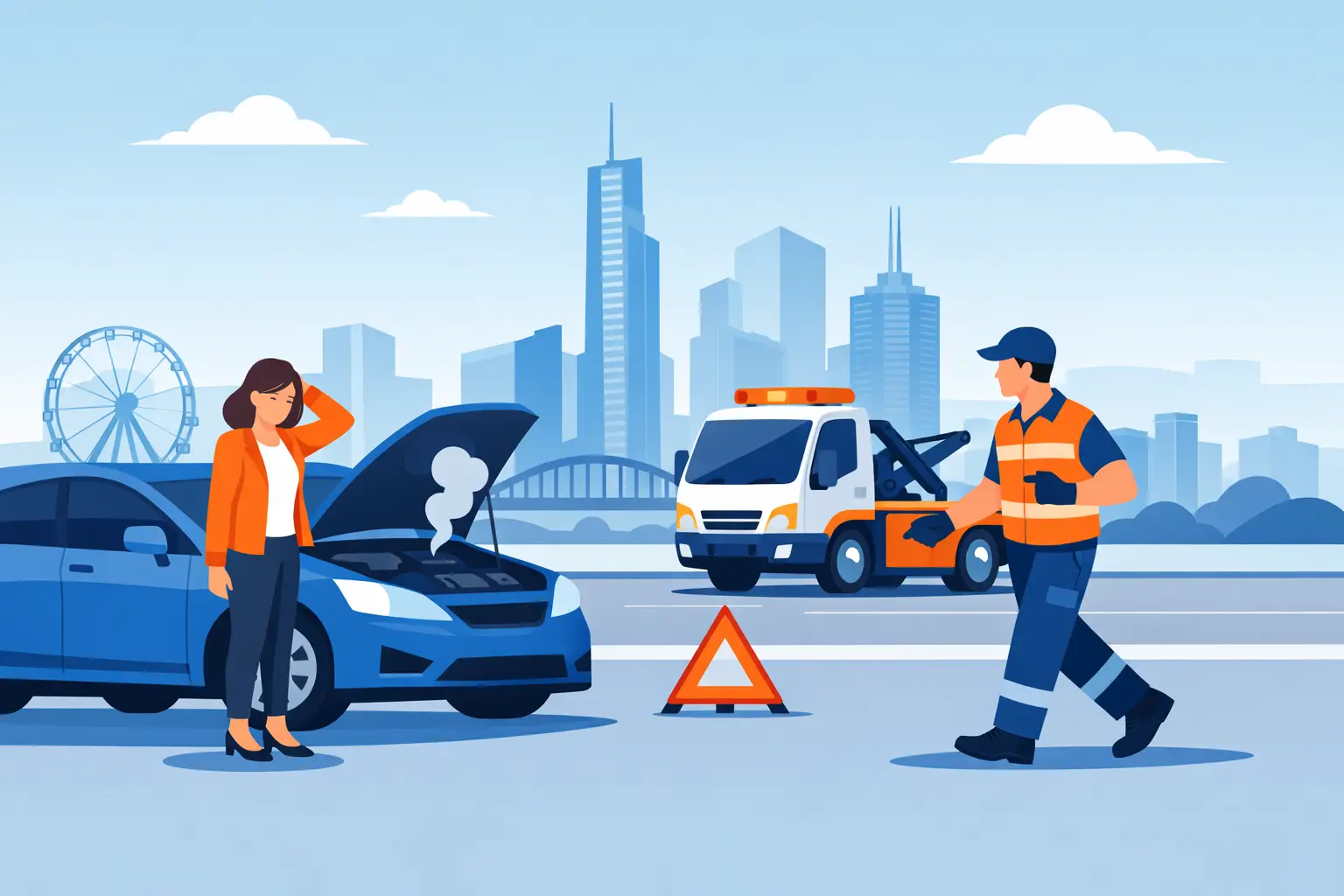
A stalled car on the Hume, a flat battery outside a Preston shop, or an accident near Craigieburn can turn a normal day into a stressful one quickly. This Melbourne northern suburbs towing guide explains what to do first, what information a tow operator needs, and how to arrange the right help without making a difficult situation harder.

First Steps in Melbourne Northern Suburbs Towing

Your safety comes before the vehicle. If the car is still moving, indicate early and pull into the safest practical location. A quiet side street, service lane or car park is usually better than stopping on a busy arterial road. Switch on your hazard lights, apply the handbrake and keep well clear of passing traffic.

If you have stopped on a freeway, major road or blind corner, do not attempt repairs beside live traffic. Move yourself and passengers to a safer position if it is safe to do so. In a serious crash, where anyone is injured, traffic is blocked or there is an immediate danger, call 000 first. A tow truck can recover the vehicle, but emergency services manage the scene where people are at risk.

Once everyone is safe, take a breath and check the basics. Is there a flat tyre, a dead battery, overheating, a warning light, smoke, a fuel issue or visible collision damage? You do not need to diagnose the fault perfectly. A simple description helps the towing operator send the suitable truck and allow for the right equipment.

Know When Roadside Help Is Enough

Not every immobilised vehicle needs a tow. A flat battery may be solved with a jump-start, while a locked car may only require access assistance. If you have a spare wheel, a safe location and no damage to the tyre or wheel, a tyre change may get you moving again.

There are times when towing is the sensible option, even if the car starts. Do not keep driving a vehicle that has overheated, lost oil pressure, has steering or brake issues, or has been damaged in a collision. Continuing can cause further mechanical damage and may put you or other road users at risk.

For commuters and tradespeople, the decision often comes down to downtime. Waiting to see whether an unreliable vehicle will make it home can cost more than arranging transport to a mechanic. A local operator can tow your car, ute or van to your preferred workshop, home or another agreed destination.

What to Tell the Tow Truck Operator

Clear information speeds up the response. Start with your exact location, including the suburb, nearest cross street, freeway exit, landmark or business name. Northern Melbourne covers a wide area, and an address is more useful than saying you are somewhere near Epping or Broadmeadows.

Explain the vehicle make, model and registration, along with its condition. Let the operator know whether it rolls freely, has a flat tyre, is locked, has collision damage, sits in a low car park, or is loaded with tools or goods. These details matter because a standard tow may suit one job, while another needs a tilt-tray or flatbed.

Also confirm where the vehicle needs to go. This could be a local mechanic, panel beater, dealership, home address or secure storage location. If you need to collect belongings from the vehicle first, say so before loading begins. Keep your mobile switched on in case the driver needs clarification about access or the pickup point.

Choosing the Right Towing Option

A standard tow is often suitable for straightforward breakdowns where the vehicle can be moved safely and access is simple. It is a practical choice for many local trips from suburbs such as Coburg, Campbellfield, Sunshine, St Albans and surrounding areas.

Tilt-tray and flatbed towing are often the better choice for accident-damaged vehicles, prestige cars, lowered vehicles, all-wheel drives, vehicles with drivetrain faults, or cars that cannot roll. The vehicle is loaded onto the tray rather than towed with wheels on the road. This can provide extra protection and is particularly useful when the condition of the car is uncertain.

There is a trade-off. The safest equipment for a damaged or specialised vehicle may cost more than a basic tow, and tight access can affect what truck can attend. Giving accurate details at the start helps avoid delays, incorrect equipment or changes at the roadside.

Accident Recovery Needs More Care

After an accident, photograph the scene and vehicle damage if it is safe to do so. Exchange details with other drivers where required, and do not admit fault at the roadside. If police attendance is needed, follow their directions before arranging removal.

Tell the tow operator if airbags have deployed, wheels are damaged, fluids are leaking or the vehicle is obstructing traffic. A damaged car can have sharp panels, loose parts and compromised steering, so it should not be pushed or driven unless it is clearly safe. Recovery is about getting the vehicle away safely, not simply getting it out of sight.

Local Conditions That Can Affect Pickup Times

Melbourne’s northern suburbs include busy commuter routes, industrial estates, shopping precincts and expanding residential areas. Traffic around the Ring Road, Hume Freeway, Tullamarine Freeway and major local roads can affect access, especially during peak periods or after a crash.

Weather matters too. Heavy rain can make a shoulder unsafe, hide potholes and complicate loading. On hot days, overheating and battery problems are common. In winter, early darkness can make it harder for other drivers to see a stationary car. Keep hazards on and, where safe, leave enough space for the tow truck to work.

If your vehicle is in an underground car park, behind a locked gate or in a narrow driveway, mention it when booking. Height restrictions and tight turning areas may require a different approach. A little detail before dispatch can save a second trip.

Prepare Before You Need a Tow

A roadside problem is easier to manage when you already have a few essentials in the car. Keep your licence, registration and insurer details accessible, along with a charged mobile, torch, basic first-aid kit and high-visibility item. If you drive for work, make sure your employer or fleet contact details are available too.

It also helps to decide where you would prefer the vehicle taken if it cannot be repaired. Your usual mechanic may be best during business hours, while home or secure storage may make more sense late at night. If you have an unwanted, non-running or damaged vehicle that is not worth repairing, ask about vehicle removal rather than paying to keep it parked.

For planned moves, such as transporting an unregistered car, a project vehicle or a car bought privately, book ahead where possible. Planned towing gives you time to confirm access, pickup timing and the best transport method. It is usually less stressful than trying to organise a move on the day.

Getting a Clear Towing Quote

Price should be clear before the job begins. A quote may depend on pickup and drop-off locations, vehicle type, condition, time of day, required equipment and recovery difficulty. A vehicle parked safely on a suburban street is a different job from a collision recovery in traffic or a car stuck in a difficult access point.

Ask what the quoted service includes and whether any extra circumstances could change the cost. Honest information from both sides is the best way to avoid surprises. Be cautious of anyone who cannot explain the service, pressures you to make a fast decision, or will not confirm where your vehicle is being taken.

Towing VicState provides practical local assistance for breakdowns, accident recovery, vehicle transport and unwanted-car removal across Melbourne’s northern suburbs. When you call, give the location, vehicle details and destination, then let the operator organise the safest option for the job.

If your car stops today, focus on getting out of danger first. The rest is a straightforward conversation: where you are, what has happened, and where the vehicle needs to go.
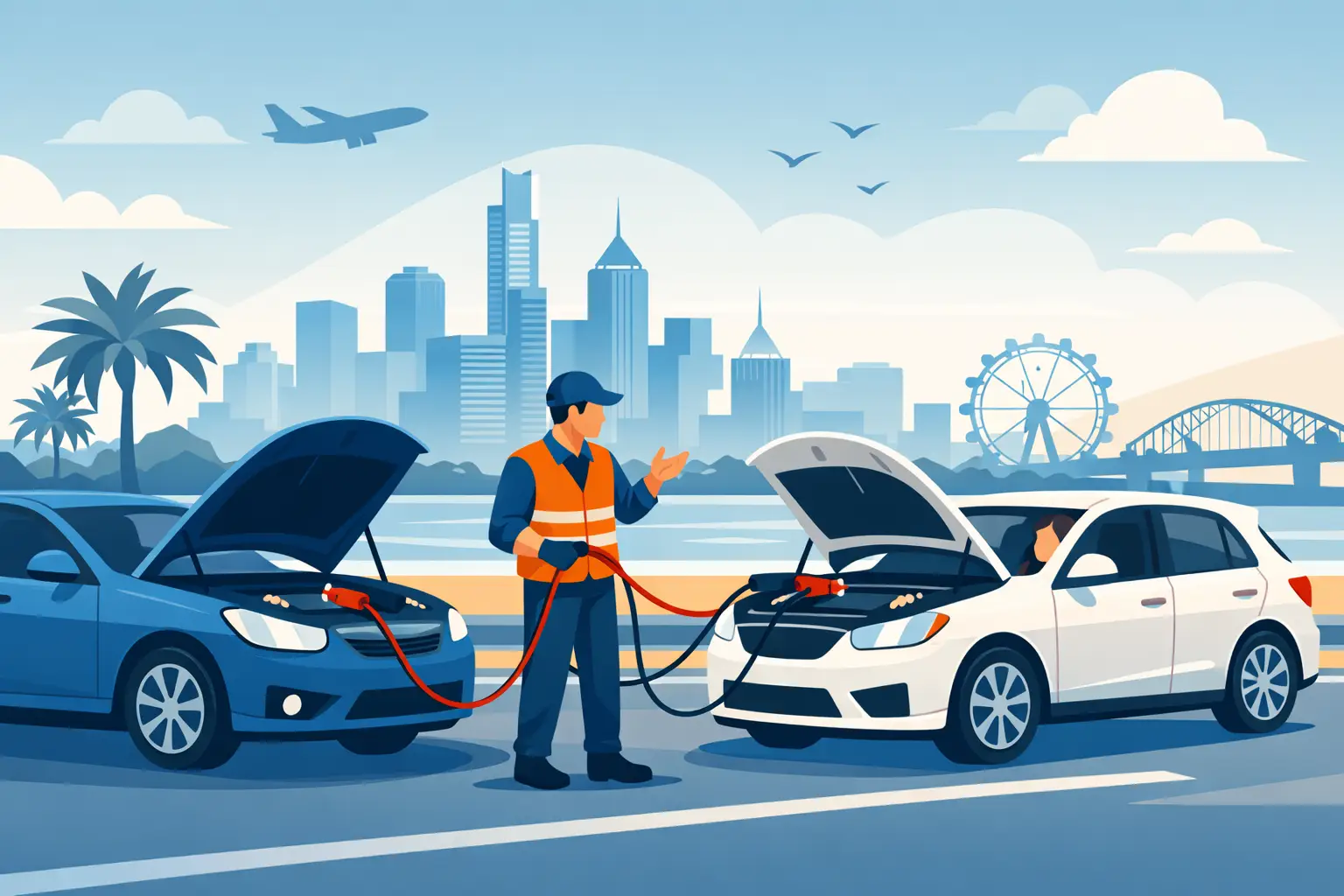
Roadside Repair Versus Towing: Which Is Safer?

Roadside Repair Versus Towing: Which Is Safer?

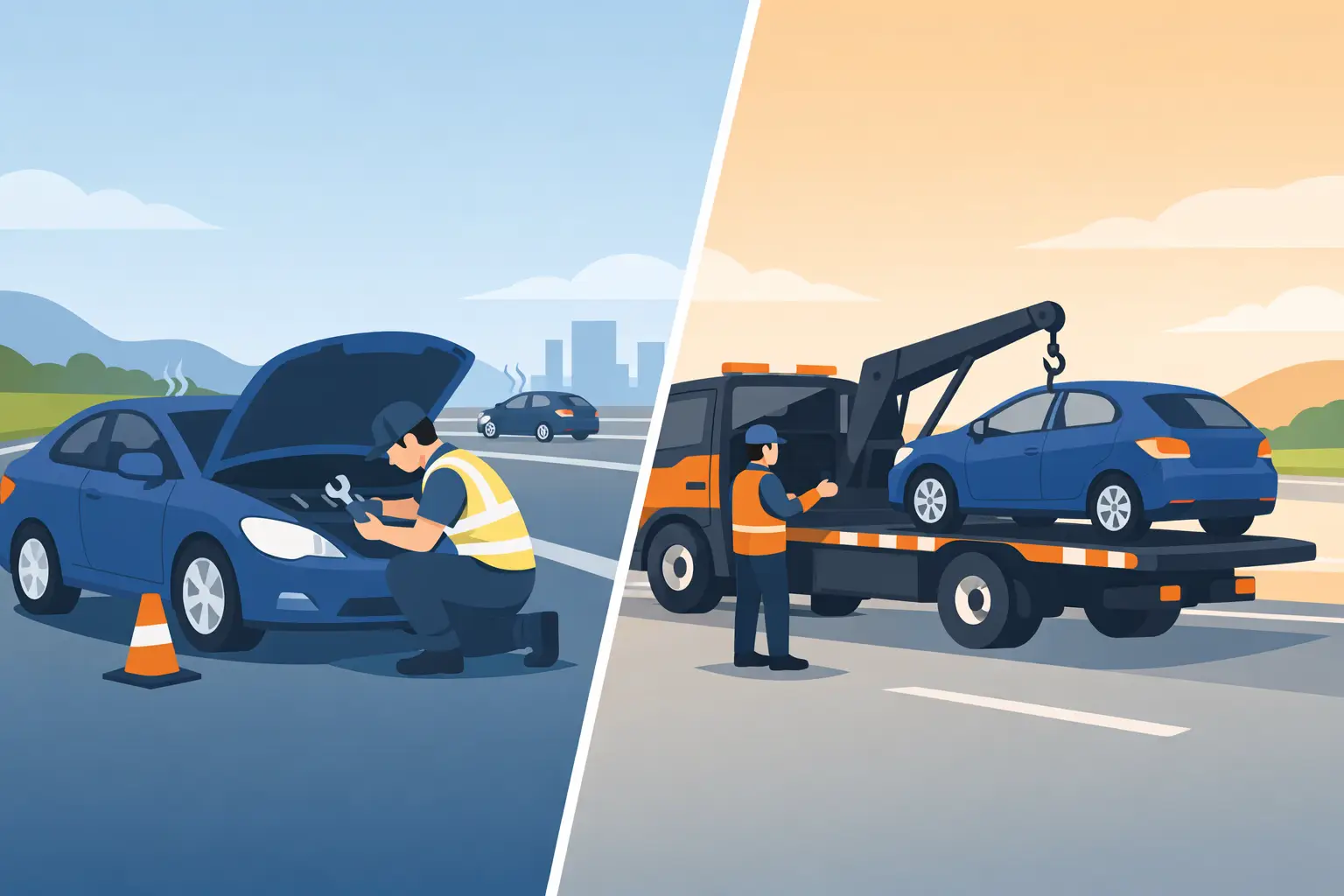
A flat battery in a quiet driveway is one thing. A warning light, smoke from the bonnet or a vehicle that has stopped in peak-hour traffic is another. When you are stranded, the roadside repair versus towing decision often comes down to one question: can the problem be fixed safely where the vehicle is, or does moving it create less risk?

For Melbourne drivers, there is no single answer. A simple battery jump may get you moving again, while continuing to drive with an overheating engine or damaged wheel can turn a manageable repair into major mechanical damage. The right choice protects you, other road users and your vehicle.

When roadside repair makes sense

Roadside assistance is a practical option when the fault is minor, the vehicle is parked in a safe location and there is a reasonable chance of getting it mobile without risking further damage. It can save time, avoid an unnecessary tow and get you back to your day quickly.

A flat battery is one of the most common examples. If the battery has discharged because a light was left on, a jump-start may be all that is needed. However, if the vehicle stalls again soon after starting, the battery or alternator may be failing. In that case, driving away and hoping for the best is not a plan. A tow to a mechanic is often the safer call.

A flat tyre can also be handled roadside if you have a usable spare, the right tools and a safe place to pull over. That does not mean changing a tyre is always sensible. On a busy road, narrow shoulder, freeway or poorly lit street, standing beside a vehicle is risky. Calling for help may be safer than attempting the change yourself.

Other faults that may suit roadside assistance include a locked-out vehicle, an empty fuel tank, a loose battery terminal or a minor issue that can be checked and resolved without putting anyone in danger. The key word is minor. Roadside help is not designed to make a seriously damaged or unreliable vehicle roadworthy.

A quick repair should not be a gamble

Before accepting a roadside fix, consider what caused the problem. A jump-start is helpful, but it does not repair a worn-out battery. Topping up coolant may help in an emergency, but it will not fix a leak, failed radiator fan or blown hose.

If the vehicle has been overheating, has lost oil pressure, is making loud mechanical noises or has a flashing warning light, stop driving. These signs can point to faults that become much more expensive when the engine keeps running. A short tow is generally cheaper than an engine replacement.

Roadside repair versus towing: when towing is the better option

Towing is the right choice when your car cannot be driven safely, when the cause of the breakdown is uncertain or when the roadside location is unsafe. It is not just for vehicles that will not start. It is also a way to prevent further damage and remove a hazard from the road.

After an accident, even a car that appears driveable may have hidden damage. Steering, suspension, tyres, brakes, wheel alignment and fluid lines can all be affected. A cracked bumper is easy to see. A bent suspension component behind the wheel is not. Towing the vehicle for an inspection is the cautious option.

The same applies when a tyre has blown out, a wheel is damaged, the car is leaking fluids or smoke is coming from the engine bay. Do not continue driving a vehicle with a suspected fuel leak, significant coolant leak or brake problem. Move away from traffic if it is safe to do so, switch off the engine and arrange recovery.

A tow is also useful when the repair destination is not close by. You may be able to restart the vehicle, but driving across Melbourne with an intermittent fault can leave you stranded again, possibly somewhere less safe. Transporting it directly to your mechanic gives you a clearer outcome.

Tilt-tray or flatbed towing can be particularly suitable for accident-damaged vehicles, low-clearance cars, prestige vehicles and vehicles with wheel or drivetrain issues. Keeping all four wheels off the road avoids adding kilometres or stress to a vehicle that should not be driven.

Your location changes the decision

Where you break down matters as much as what has gone wrong. A simple fault in your home driveway is very different from the same fault on the Western Ring Road, near a busy northern suburbs intersection or on a narrow road with limited visibility.

If you are stopped in a dangerous place, your first priority is getting yourself and your passengers to safety. Turn on hazard lights, move well away from traffic where possible and do not stand beside the vehicle on the traffic side. If the car is in a live lane, cannot be moved, or is creating an immediate danger, contact emergency services as required.

Do not open the bonnet near fast-moving traffic unless it is safe. Avoid trying to inspect the underside of the vehicle, changing a tyre close to traffic or pushing the car by yourself. The few minutes saved are not worth the risk.

In a safer location, such as a car park or quiet residential street, there is more room to assess the fault. Even then, avoid guessing. Warning lights, unusual smells, grinding sounds and fluid leaks are useful information for a roadside technician or tow operator.

What to tell the operator when you call

Clear details help the right assistance arrive without delay. Explain your exact location, nearby cross streets or landmarks, the vehicle make and model, and what the vehicle is doing. Mention whether it starts, whether the wheels turn freely, whether there has been an accident, and whether it is in a garage, underground car park or difficult-access location.

It also helps to say if the car is lowered, electric, all-wheel drive, loaded with work equipment or towing a trailer. These details can affect the safest towing method and the equipment required.

You do not need a technical diagnosis. A straightforward description is enough: “The temperature gauge is high and there is steam,” or “The front wheel is pointing the wrong way after hitting a kerb.” That information helps determine whether roadside help is appropriate or whether a tow truck should be sent.

The cost question: cheap now or cheaper overall?

It is understandable to prefer a roadside repair if it appears cheaper at first. Many motorists want to avoid a tow, especially when the car seems close to running. But the lowest immediate cost is not always the lowest total cost.

Driving an overheating car can damage the head gasket or engine. Driving with a brake issue can put people at risk. Driving after an accident can worsen damage and complicate repairs. In these situations, towing is not an extra expense. It is damage control.

On the other hand, arranging a tow for a discharged battery at home may not be necessary if a safe jump-start and battery check can solve the immediate problem. The sensible choice depends on the fault, the location, the condition of the vehicle and how far it needs to go.

A reputable operator should be able to discuss the situation in plain language and recommend a practical option. Towing VicState assists drivers across Melbourne and the northern suburbs with both roadside support and safe vehicle transport, so you can arrange the service that suits the actual problem rather than forcing one solution.

Make the next step the safe one

If you are unsure whether to repair or tow, treat uncertainty as a reason to be cautious. Do not keep restarting a car that is overheating, ignore a serious warning light or drive an accident-damaged vehicle because it still moves.

Park safely if you can, switch on your hazard lights, keep passengers away from traffic and get clear advice. A quick roadside fix is ideal when it is genuinely safe. When it is not, a professional tow gets your vehicle out of harm’s way and gives you the best chance of a straightforward repair.

How to Get Jump-Started Safely in Melbourne

How to Get Jump-Started Safely in Melbourne

A flat battery can turn an ordinary trip to work, school pickup or a job site into a frustrating stop. Knowing how to get jump-started safely can get you moving again, but only when the battery is the real problem and the vehicle can be started without putting you or anyone nearby at risk.

Before reaching for jumper leads, get the car somewhere safe if possible. Put the vehicle in park or neutral, apply the handbrake, turn off the ignition and keep clear of passing traffic. If you are stopped on a busy Melbourne road, near a blind corner or in an unsafe location, roadside help is usually the better call.

First, check whether a jump-start is suitable

A jump-start is designed for a flat 12-volt battery. Common signs include a slow crank, clicking when you turn the key, dim dashboard lights, or no response when you press the start button. Leaving interior lights on, short trips, cold mornings and an ageing battery can all leave a car without enough charge to start.

It will not fix every no-start issue. If the engine turns over normally but will not fire, the cause may be fuel, ignition, immobiliser or mechanical trouble. If there is smoke, a burning smell, leaking fluid, a badly damaged battery case or a swollen battery, do not attempt a jump-start. Step away from the vehicle and arrange assistance.

You should also avoid jump-starting a car if the battery has frozen. This can happen in very cold conditions and, while uncommon around Melbourne, a frozen battery can crack or explode during charging. Check the owner’s manual if you have a hybrid, electric vehicle, European vehicle, or a car with battery terminals located somewhere other than under the bonnet. Many vehicles have designated jump points, and using the wrong connection can cause expensive electrical damage.

What you need to get jump-started

You need a working 12-volt donor vehicle and good-quality jumper leads, or a suitable portable jump starter. Both vehicles must use a 12-volt system. Never use a 24-volt truck, bus or commercial vehicle to jump-start a standard passenger car.

Park the donor vehicle close enough for the leads to reach, but make sure the vehicles are not touching. Switch off both ignitions, lights, air-conditioning, radios and accessories. Keep loose clothing, jewellery and tools away from the battery area and moving engine parts.

If you are using a portable jump pack, follow its instructions exactly. The connection order and safety features can vary by model. A jump pack is often the easier option because you do not need another car, but it still cannot repair a failed battery or a charging fault.

How to get jump-started with jumper leads

Take your time with the lead connections. Reversing the clamps can damage fuses, wiring and vehicle electronics.

  1. Connect the red positive clamp to the positive (+) terminal on the flat battery.
  2. Connect the other red positive clamp to the positive (+) terminal on the donor battery.
  3. Connect the black negative clamp to the negative (-) terminal on the donor battery.
  4. Connect the remaining black clamp to a clean, unpainted metal earth point on the disabled car, well away from the battery and fuel system.

Do not attach the final black clamp directly to the flat battery’s negative terminal unless the vehicle manufacturer specifically says to do so. Connecting it to an approved earth point helps reduce the chance of sparks near battery gases.

Start the donor vehicle and let it idle for a few minutes. Do not rev it hard. Then try starting the car with the flat battery. Keep the attempt brief – around five seconds is enough. If it does not start, wait a minute before trying again.

If the car starts, leave both vehicles running for another minute or two before removing the leads. Remove them in the reverse order: black clamp from the revived car, black clamp from the donor vehicle, red clamp from the donor vehicle, then red clamp from the revived car. Make sure the clamps do not touch each other or any metal while they are connected.

If the car still will not start

Do not keep cranking the engine over and over. Repeated attempts can flatten the donor battery, overheat the starter motor and make it harder to identify the real fault.

If the engine only clicks after a correct connection, the battery may be too far gone, a terminal may be loose or corroded, or the starter could be faulty. If it cranks but does not start, a jump-start is unlikely to solve the issue. A roadside technician can assess the vehicle, while a tow truck can move it safely to a mechanic, home or another required location.

A vehicle that starts and then quickly stalls may have an alternator or charging-system problem. In that case, driving farther can leave you stranded again, often in a worse location. It is safer to arrange a tow rather than hoping the battery will hold out.

After the engine starts, do not assume the problem is fixed

Once the car is running, drive it for at least 20 to 30 minutes where safe to do so. Avoid switching the engine off straight away. This may put some charge back into the battery, but a drive is not a guaranteed fix, particularly if the battery is old or the alternator is not charging correctly.

If the battery light stays on while you drive, pull over safely when practical and organise help. That warning light often means the charging system is not working as it should. Also pay attention if the car struggles to restart later that day, the headlights seem weak, or dashboard warnings appear.

A battery test is worthwhile after any jump-start. Most car batteries have a limited service life, commonly around three to five years depending on use, weather and vehicle type. Replacing a weak battery before it fails is generally cheaper and less stressful than being stuck in a car park, driveway or on the side of the road.

When to call for roadside help instead

A jump-start is not always the safest or quickest choice. Call for assistance if you are on a freeway, in heavy traffic, in poor visibility, with children in the vehicle, or in a place where opening the bonnet puts you near moving cars. The same applies if you do not have proper leads, are unsure where the battery terminals are, or suspect an accident-related fault.

For Melbourne drivers, local support matters when you need a vehicle moved quickly after a failed start. Towing VicState can assist with roadside issues and safe towing across the northern suburbs and surrounding areas, including places such as Broadmeadows, Epping, Craigieburn, Preston, Coburg and Sunshine.

A flat battery is inconvenient, but it does not need to become a risky roadside job. If anything looks damaged, smells unusual or simply does not feel right, leave the leads alone and arrange professional help. Getting home safely is more valuable than forcing one more start.

Sell Damaged Car for Cash Melbourne Today

Sell Damaged Car for Cash Melbourne Today

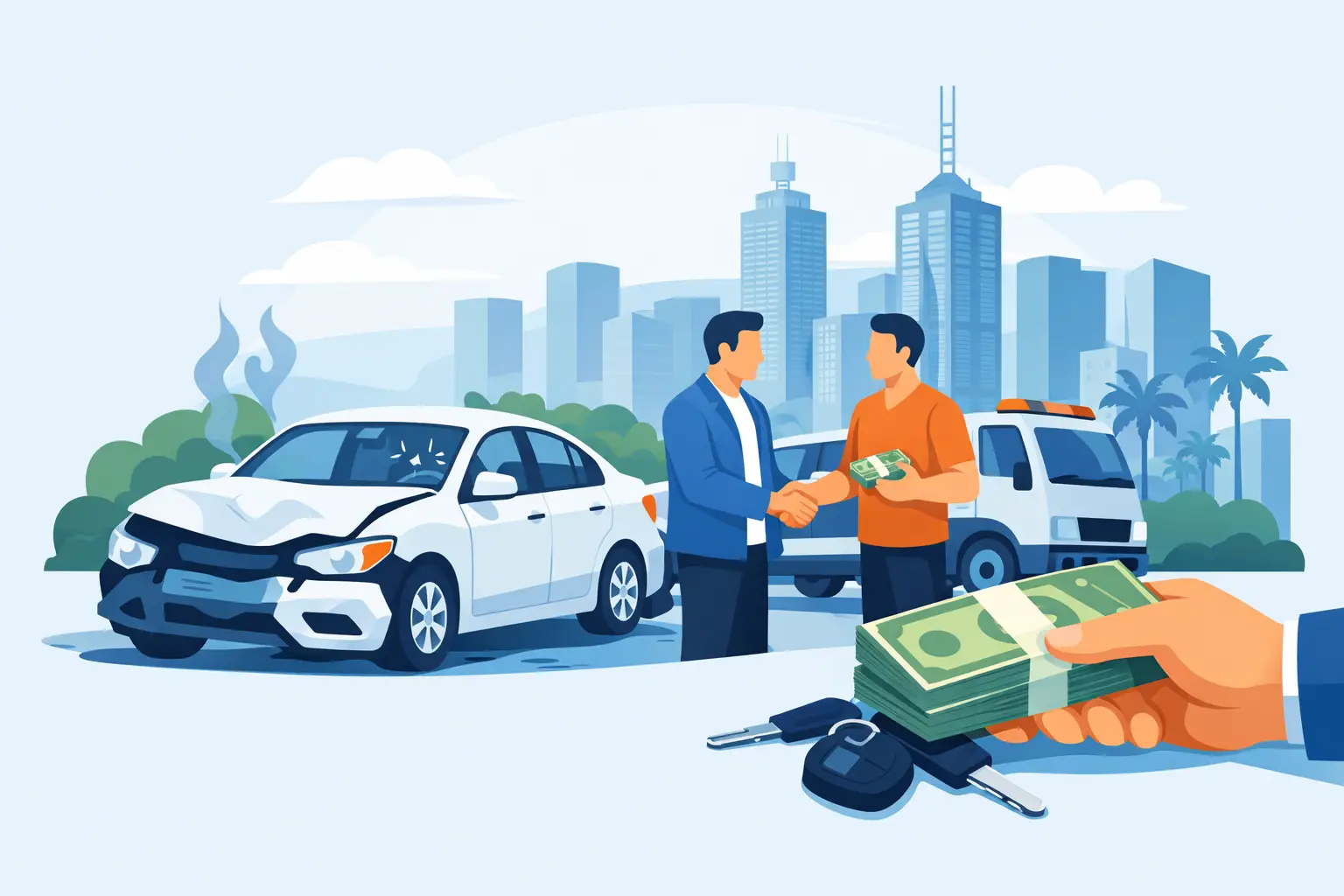
A smashed front end, a blown engine or a failed roadworthy inspection can turn a car into an expensive problem quickly. If you need to sell damaged car for cash Melbourne, you do not have to spend weeks advertising it, arranging inspections or paying for another tow. A local cash-for-cars service can assess the vehicle, make an offer and arrange collection from your home, workshop, workplace or accident location.

The right option depends on the damage, the car’s age and whether it still has parts or repair value. For many Melbourne owners, selling as-is is the simplest way to clear the driveway, avoid storage costs and put money back in their pocket.

When selling a damaged car makes more sense than repairing it

Repairing a damaged vehicle is not always the wrong call. A newer car with minor panel damage, a strong service history and no mechanical issues may still be worth fixing. Get a repair quote first if the damage is limited and the car has good resale value once repaired.

But the numbers can change fast. Structural damage, major engine failure, gearbox problems, flood damage or multiple safety faults can cost more to repair than the car is worth. Even if the repair is technically possible, you may be left with an older vehicle that has a damaged history and lower future resale value.

Selling it as-is can be the practical choice when the car is unregistered, not driveable, sitting after an accident or failing to start. It also suits owners who need the vehicle gone promptly and do not want strangers coming to inspect a damaged car at their property.

Sell damaged car for cash Melbourne: what affects the quote?

A fair cash quote is based on more than whether the car starts. Buyers look at the vehicle’s make, model, age, condition, location and the usable parts or scrap metal it contains. A late-model vehicle with collision damage may still have valuable panels, wheels, interior parts, electronics and mechanical components. An older car with a seized engine may have less resale value, but it can still be worth removing for parts and recycling.

Be clear about the condition when requesting a quote. Mention accident damage, mechanical faults, missing parts, whether the vehicle rolls, and whether you have keys. Photos can help give a more accurate indication before collection. A detailed description prevents surprises when the tow truck arrives and makes the process faster for everyone.

Location can matter too. A car parked in a clear driveway is usually easier to collect than one wedged in a tight underground car park, behind another vehicle or on a busy roadside. That does not mean removal is impossible. It simply means the operator needs the right information and the right truck for the job.

Have the paperwork ready before collection

Selling a damaged vehicle should still be handled properly. The buyer will generally need to confirm you are authorised to sell it, and you should keep a record of the transaction for your own protection.

Have these details available where possible:

  • Photo identification showing your name
  • Proof that you own the vehicle or are authorised to sell it
  • Vehicle registration details, if it is registered
  • The VIN, registration number, make, model and year
  • Keys, including spare keys if you have them
  • Any relevant insurance or written-off vehicle information

If the vehicle is registered, check the current Victorian requirements for cancelling registration, transferring ownership or returning plates where applicable. Rules can differ depending on the vehicle’s status, so it is worth confirming the correct process before finalising the sale. If the car is an insurance write-off, make sure you understand any conditions placed on it by your insurer.

Do not pay to remove a car that is ready for disposal

One common frustration is paying to tow an unwanted car away, then finding out it still had cash value. If a vehicle is at the end of its useful life, free removal with a cash offer may be a better result than booking a standard tow and dealing with disposal separately.

This is particularly useful for cars that cannot be driven legally or safely. Perhaps the engine has failed, the transmission is gone, the car has been damaged in a collision, or it has been sitting unused for years. A suitable tow truck can collect non-running vehicles without asking you to organise repairs first.

At Towing VicState, damaged and unwanted vehicle collection can be arranged with the same practical approach used for roadside and accident towing: assess the access, send the appropriate vehicle and handle the job safely. For vehicles with serious damage or low clearance, a tilt-tray or flatbed may be the safer option.

Get an accurate quote without the run-around

The quickest way to get a useful quote is to provide the facts up front. Give the make, model, year, registration if available, suburb, condition and a plain explanation of the damage. State whether it starts, rolls and steers. If it has been in an accident, say which areas are damaged and whether airbags have deployed.

Avoid accepting a vague promise of “top cash” without confirming what is included. Ask whether collection is free, whether the quoted amount is the amount paid on pickup, and whether there are extra charges for non-running vehicles, difficult access or missing wheels. A straightforward operator should explain the collection arrangements before booking.

It also helps to remove your personal belongings before the truck arrives. Check the glove box, centre console, boot, door pockets and under the seats. Take out toll tags, parking permits, documents, tools and anything linked to your mobile or account. If you have a service book or repair receipts, keep them if you need them for insurance or personal records.

Collection options for damaged and non-running cars

Not every damaged vehicle needs the same method of transport. A car that starts and rolls may be winched or loaded easily, while a collision-damaged vehicle with locked wheels, suspension damage or a flat tyre needs more care. This is where using an experienced local towing provider matters.

A tilt-tray keeps the vehicle off the road surface and is often preferred for low cars, accident-damaged cars and vehicles with serious mechanical faults. It reduces the chance of further damage during loading. If access is limited, the driver may need clear instructions before arriving so they can plan the safest approach.

Melbourne’s northern suburbs have plenty of tight driveways, busy main roads and industrial areas where timing and vehicle access matter. Whether the car is in Campbellfield, Broadmeadows, Epping, Craigieburn, Coburg, Preston, Sunshine, St Albans or nearby, a local collection service can save you the trouble of arranging separate transport.

A few situations where you may be better off selling privately

Cash-for-cars removal is built for convenience and speed, not always the highest possible sale price. If your car has only light cosmetic damage, is still registered and driveable, and is a popular model, selling privately after repairs may produce more money. The trade-off is time, repair costs, advertising, inspections and the risk of buyers changing their mind.

You may also get a better result by selling specific parts yourself if you have the knowledge, tools and space to do it safely. For most owners, though, dismantling a car is messy, time-consuming and leaves you responsible for the shell and disposal. A complete sale is usually the cleaner option when you want it gone now.

If your damaged car is taking up space or costing you more than it is worth, get a clear quote, confirm the pickup details and keep the paperwork simple. A safe collection and a fair cash offer can turn an unwanted vehicle into one less thing to worry about.

Free Scrap Car Removal Melbourne Made Simple

Free Scrap Car Removal Melbourne Made Simple

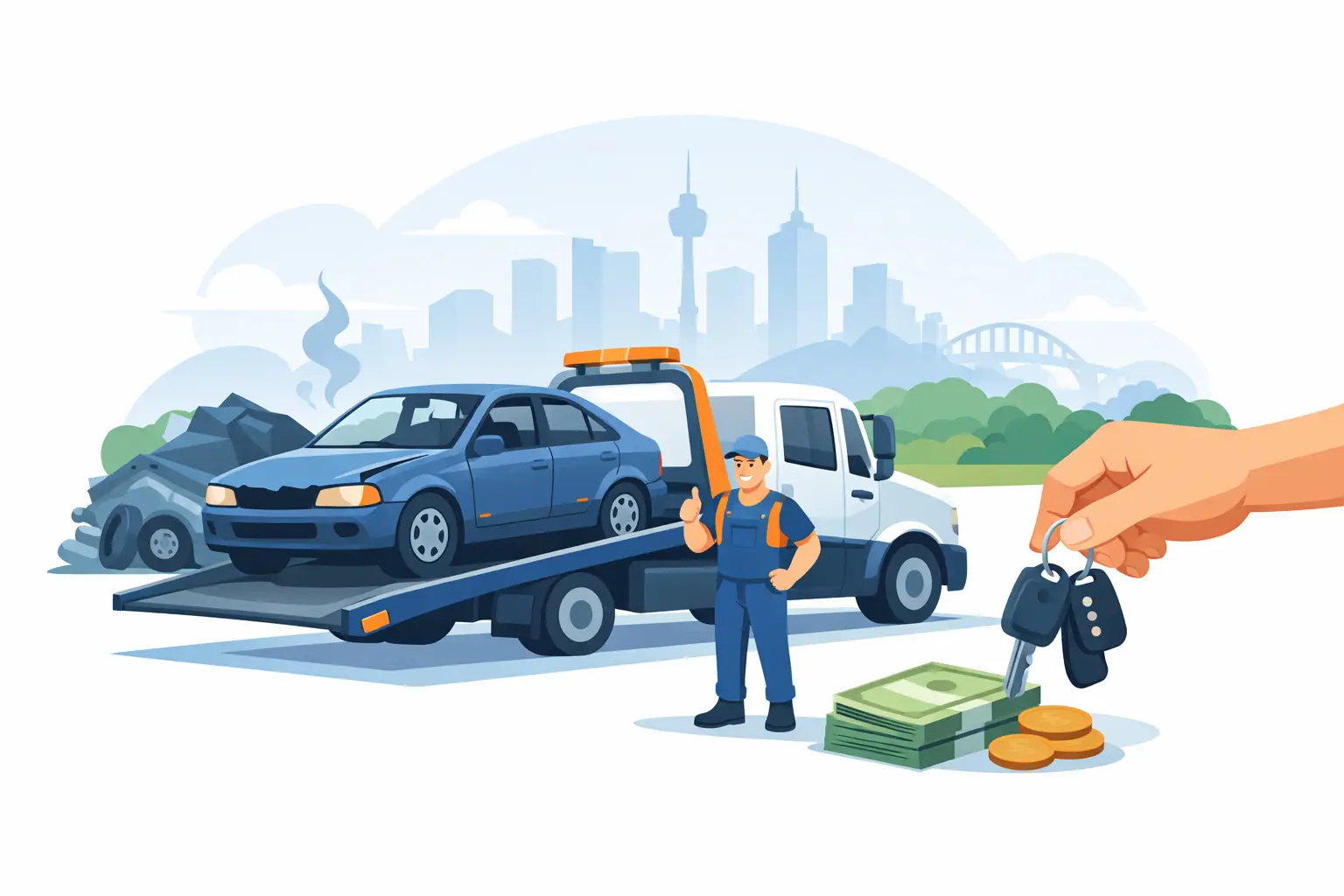
A car that has been sitting in the driveway for months can quickly become more than an eyesore. It takes up parking space, leaks fluids, collects rubbish and can become a hassle when you finally need the room. With free scrap car removal Melbourne vehicle owners can clear an unwanted car without organising a trailer, paying for a tow or trying to find a buyer for a vehicle that no longer runs.

For many Melbourne drivers, the hard part is not deciding the car has reached the end of the road. It is working out what happens next. A reliable local removal service makes the process straightforward: confirm the vehicle details, arrange a suitable collection time and have the car loaded safely for removal.

When is a car ready for scrap removal?

A vehicle does not need to be completely crushed or beyond recognition to be considered scrap. Often, it is a car that has become too expensive to repair, failed mechanically, been damaged in an accident or simply been left unused for too long. Older cars with major engine trouble, gearbox faults, electrical problems or extensive rust are common examples.

It may also be time to remove a car when its roadworthy repairs cost more than its practical value. This is particularly common with ageing family cars, work utes and vehicles that have failed more than one repair attempt. If it is not safe, reliable or worthwhile to put back on the road, removal can be the sensible option.

Free collection is generally suited to complete vehicles that can be accessed safely by a tow truck. A car with flat tyres, a dead battery or no keys can often still be collected, but this should be mentioned when requesting a quote. Clear details help the operator bring the right equipment and avoid delays on the day.

How free scrap car removal in Melbourne works

The process should not involve guesswork. Start by providing the vehicle make, model, approximate age, condition and collection suburb. Let the removal team know whether the car starts, rolls, has wheels fitted, is parked in a garage or is located on a busy street. Photos can also help where there is significant accident damage or restricted access.

Once the collection can be confirmed, arrange a time when someone can provide access to the vehicle and hand over the required paperwork. A professional operator will assess the loading situation before moving the car. Depending on its condition and location, this may involve a standard tow truck, a tilt tray or other suitable recovery equipment.

The vehicle is then secured and loaded for transport. This matters even when the car is only headed for dismantling or recycling. Loose parts, damaged panels and locked wheels all need to be handled properly to protect surrounding vehicles, driveways and footpaths.

At Towing VicState, the focus is on making unwanted vehicle removal practical for local owners, including cars that are no longer driveable. A quick call or quote request gives the team the information needed to confirm the collection plan.

What to do before the tow truck arrives

A few minutes of preparation can make collection easier and prevent personal items being lost with the car. Check the glove box, centre console, door pockets, under the seats and boot. It is surprising how often old registration papers, tools, sunglasses, work gear, children’s items and spare keys turn up in an unwanted vehicle.

Remove personal documents and anything you may need later. If there are number plates still attached, ask what is required for your situation before collection. Registration and disposal requirements can vary, particularly if the vehicle is still registered or you are planning to cancel registration separately.

Make sure the collection area is accessible. Move other cars where possible, open gates and tell the operator about low branches, tight driveways, steep inclines or underground car parks. A tow truck can handle plenty of difficult situations, but advance notice allows the right approach to be planned.

If the vehicle is on a public road, avoid leaving it in a position that creates a hazard. Stay aware of traffic, keep children away from the loading area and do not attempt to push a damaged or non-running car into the street yourself. Waiting for trained vehicle recovery is safer.

Free removal versus selling a scrap car for cash

Free removal and cash for cars are related services, but they are not exactly the same. Free removal is about clearing a vehicle that has little resale value or is not worth repairing. Cash-for-cars arrangements may be available where the vehicle still has recoverable value based on its make, model, parts, condition and current scrap value.

The outcome depends on the car. A late-model vehicle with accident damage may have worthwhile parts value. An older car with missing components, severe rust or a major mechanical failure may be better suited to simple removal. Being honest about the condition from the start helps avoid unrealistic expectations and makes the quote process faster.

Do not assume a car needs to be registered, running or presentable to be collected. Many scrap vehicles have been off the road for years. What matters is whether the operator can access and recover it safely, and whether you can show you are authorised to arrange its removal.

Local collection matters in Melbourne

Melbourne pickups are not all the same. A car parked in a narrow northern-suburbs driveway may need a different approach to one sitting behind a workshop, at a unit complex or on the side of a busy arterial road. Local knowledge helps when access is limited and timing matters.

Owners in Campbellfield, Broadmeadows, Epping, Craigieburn, Tullamarine, Coburg, Preston, Sunshine and St Albans often need a service that can work around traffic, shared driveways and tight parking. When booking, give the exact suburb and explain where the vehicle is positioned. This is especially useful for apartments, industrial sites and properties with rear-lane access.

Same-day collection may be possible in some cases, but it depends on truck availability, location, vehicle condition and the time of the request. If the car is blocking access, creating a safety issue or needs to be moved after an accident, say so immediately. The right service may be accident recovery or urgent towing rather than a standard planned scrap collection.

Why safe removal is worth arranging properly

Leaving an unwanted car where it is can create ongoing problems. Fluids may leak onto concrete or soil, damaged glass and sharp panels can pose a risk, and an unsecured vehicle can attract unwanted attention. It can also stop you from using a parking bay, garage or work area that you need every day.

Trying to dispose of it yourself can bring its own difficulties. Hiring a trailer, finding a suitable towing vehicle and loading a non-running car without the correct equipment is not a simple weekend job. A vehicle can shift unexpectedly, especially if brakes have seized or tyres have deteriorated.

Professional removal avoids that strain. The vehicle is secured, loaded with suitable equipment and taken away without you needing to coordinate multiple services. For a car that has already caused enough trouble, that is often the most useful outcome.

Get your unwanted car moving

When requesting free scrap car removal Melbourne drivers should give clear vehicle details, confirm the collection location and mention any access issues upfront. That keeps the booking simple and helps ensure the appropriate tow truck arrives ready for the job.

If an old car is taking up space or has become one repair too many, there is no need to let it sit there longer. Arrange a quote, choose a suitable collection time and get your driveway, garage or work site back to being useful.

Flat Tyre Roadside Assistance in Melbourne

Flat Tyre Roadside Assistance in Melbourne

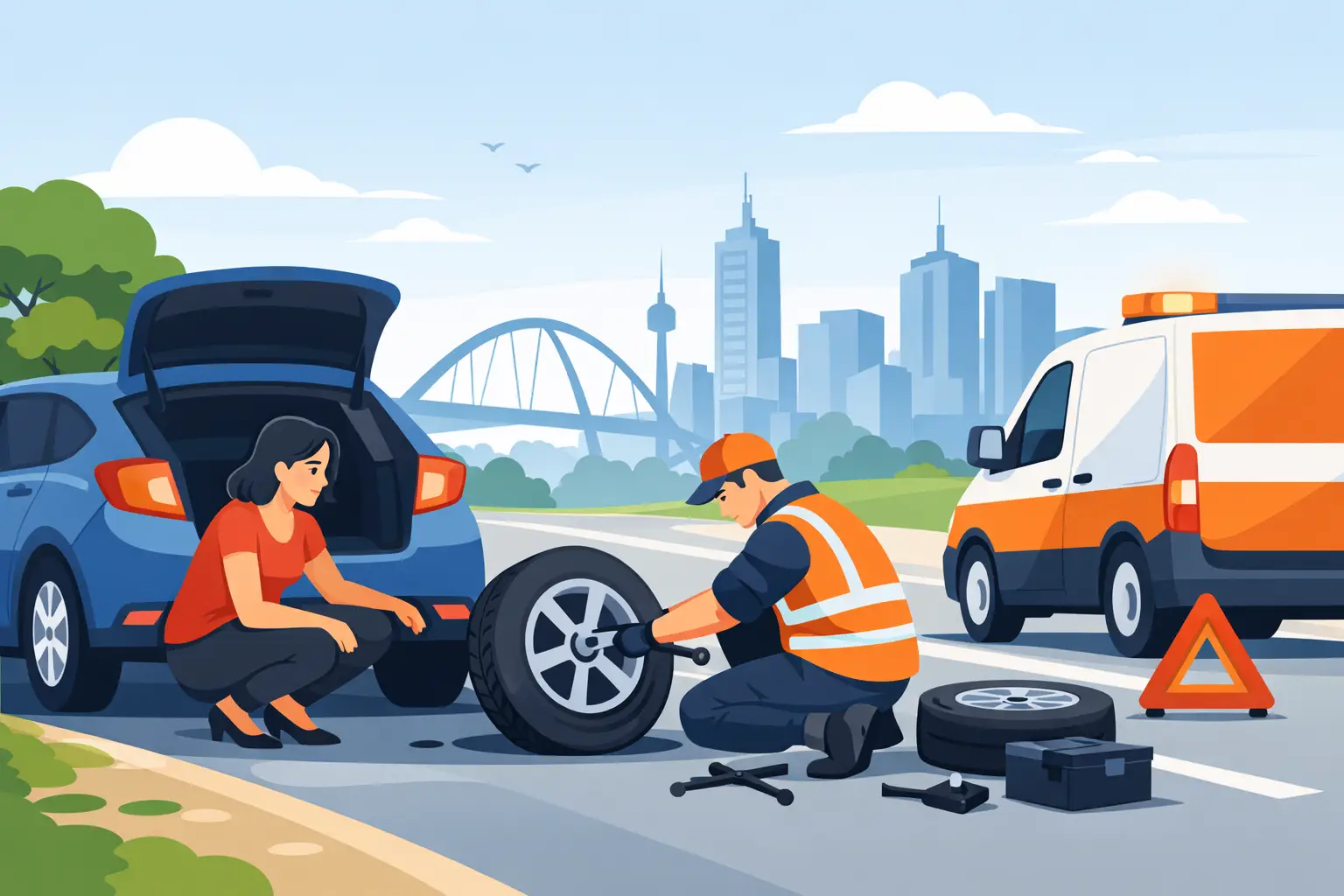
A flat tyre can turn a normal trip through Melbourne into a roadside problem in minutes. Whether you are on the way to work in Preston, carrying tools through Campbellfield or travelling with family near Craigieburn, flat tyre roadside assistance gives you a safe next step when changing the wheel yourself is not practical.

The priority is not getting moving as quickly as possible at any cost. It is getting you, your passengers and your vehicle out of danger, then deciding whether a spare-wheel change, tyre repair or tow is the right option.

What to do when you get a flat tyre

If you notice a thumping sound, heavy steering, pulling to one side or a tyre-pressure warning light, ease off the accelerator and hold the steering wheel firmly. Avoid braking hard or making sharp turns. Indicate early and look for a safe place to pull over, ideally well away from passing traffic.

A service lane, car park or quiet side street is far safer than stopping in a live traffic lane. On major roads, narrow streets or busy routes around Melbourne’s northern suburbs, you may have limited room to work safely. If you cannot get completely clear of traffic, keep your hazard lights on and call for help rather than attempting a roadside wheel change.

Once stopped, apply the handbrake, select park or first gear, and switch on your hazard lights. Keep passengers away from traffic. If it is safer for everyone to remain inside the vehicle, stay buckled up with the doors locked while assistance is arranged. Do not stand near the traffic side of the car.

When flat tyre roadside assistance is the better choice

Many cars have a spare wheel, jack and wheel brace, but that does not automatically mean a DIY change is the best answer. A flat tyre at home on level ground during daylight is very different from one on a wet roadside, beside fast-moving traffic or after dark.

Roadside assistance is a sensible choice if you do not have the tools, are unsure how to safely lift the vehicle, have a damaged wheel, or cannot loosen the wheel nuts. It is also the safer option for drivers carrying children, older passengers or work equipment, and for anyone who does not feel comfortable working beside the road.

Modern vehicles can add complications. Some have a space-saver spare with a speed and distance restriction. Others have run-flat tyres, wheel-lock nuts or no spare tyre at all. Electric and hybrid vehicles may also have specific jacking points that need to be followed carefully. Fitting the wrong spare, lifting from the wrong point or driving on a damaged tyre can create a bigger repair bill than the original puncture.

A trained roadside operator can assess whether the spare is suitable, fit it if conditions allow, or organise safe vehicle transport if the tyre and wheel need workshop attention. That is especially useful if the sidewall is torn, the rim is bent or more than one tyre has been damaged.

What a roadside tyre service can do

The right response depends on the vehicle, location and condition of the tyre. In a straightforward situation, assistance may involve removing the flat wheel and fitting the serviceable spare. You can then drive carefully to a tyre shop for inspection, repair or replacement.

However, a spare-wheel change is not always possible or advisable. A space-saver tyre may only be intended for short, low-speed travel. If the spare is flat, aged, missing or damaged, the vehicle should not be driven. The same applies when wheel studs are damaged, locking-wheel-nut keys are unavailable, or the tyre has failed after hitting a pothole or kerb and the wheel may be affected too.

In these cases, a tow truck or tilt-tray service can take the vehicle to your preferred tyre shop, mechanic, home or another safe destination. This avoids risking further damage by driving on the rim, which can harm suspension components and make the repair more expensive.

Information to have ready when you call

Providing clear details helps roadside help reach you without delay. Start with your location. A street address is ideal, but a nearby cross street, suburb, service station, landmark or the direction you are travelling can also help. If you are on a freeway or major arterial road, note the nearest exit, overpass or kilometre marker where possible.

Explain whether the vehicle is safely parked and whether it is blocking traffic. Let the operator know the make, model and registration, as well as whether you have a spare tyre. Mention any visible tyre or wheel damage, such as a shredded tyre, split sidewall or cracked rim.

If you need a tow rather than a wheel change, say where you would like the vehicle taken. Having a tyre shop, mechanic or home address ready makes the process simpler. For a tradesperson, rideshare driver or small-business operator, prompt transport can be the quickest way to limit lost time off the road.

Avoid these common flat tyre mistakes

Do not continue driving on a fully deflated tyre just to reach a better spot unless stopping immediately would place you in greater danger. Even a short distance can destroy the tyre and damage the rim. Pull over safely as soon as conditions allow.

Avoid using a tyre sealant as a default fix. Some puncture-repair products can be useful in a limited emergency, but they may not work on larger punctures or sidewall damage. They can also complicate a later professional repair and may not suit every tyre-pressure monitoring system. Check your vehicle handbook before using one.

It is also worth checking the spare tyre before an emergency happens. A spare that has sat in the boot for years may be low on pressure, perished or unsuitable for use. Check its condition during routine servicing, along with the jack, wheel brace and locking-wheel-nut key. This small check can make a real difference on the day you need it.

Flat tyre help across Melbourne’s northern suburbs

A local response matters when you are stranded. Traffic conditions, road layouts and peak-hour congestion can all affect how safely a vehicle can be reached and moved. Drivers in Broadmeadows, Epping, Coburg, Tullamarine, Sunshine, St Albans and surrounding areas need straightforward advice and practical help, not a long wait while they work out what to do next.

Towing VicState provides practical assistance for motorists dealing with tyre-related breakdowns, including safe towing when a spare cannot be fitted or the vehicle should not be driven. The focus is on handling the vehicle carefully and helping you make a sensible decision based on the actual damage and roadside conditions.

Know when a tyre can be repaired

Not every puncture means you need a new tyre. A small puncture in the central tread area may be repairable after a tyre professional removes and inspects the tyre. But damage to the sidewall or shoulder, a large tear, exposed cords, severe underinflation damage or a badly worn tyre usually means replacement is the safer option.

Do not rely on appearance alone. A tyre that looks like it only has a nail in it may have internal damage from being driven while flat. Getting it checked before returning to normal speeds is the safer choice for you and everyone else on the road.

A flat tyre is frustrating, but it does not need to become a dangerous roadside situation. Get clear of traffic, avoid driving on the rim, and arrange help when the job cannot be done safely where you are. A calm call and the right vehicle support can get your day moving again with far less stress.

Car Won’t Start? Roadside Help in Melbourne

Car Won’t Start? Roadside Help in Melbourne

A car that will not start can turn an ordinary trip into a stressful stop, whether you are outside home in Craigieburn, in a car park at Preston, or pulled over near Campbellfield. When you need car won’t start roadside help, the first job is keeping yourself safe. The second is working out whether a simple check may get you moving or whether it is time to arrange roadside assistance or a tow.

Do not keep turning the key or pressing the start button over and over. Repeated attempts can flatten a weak battery, flood some older engines, or make it harder to identify the original problem. Take a breath, secure the car and assess where you are before doing anything else.

Get safe before checking the car

If the vehicle has stopped on a busy road, turn on your hazard lights straight away. If it is safe to do so, move the car clear of traffic. On freeways, major arterial roads, blind corners or narrow streets, staying visible matters more than diagnosing the fault.

Put the car in park or neutral, apply the handbrake and make sure passengers are away from passing traffic. Avoid standing between your vehicle and the road. At night or in poor weather, use a torch or your mobile light rather than trying to inspect the engine bay in the dark.

If you have been in an accident, notice fuel leaking, smell smoke, or see steam coming from under the bonnet, do not try to restart the vehicle. Move to a safe position where possible and organise professional recovery. A damaged vehicle may need tilt-tray or flatbed transport to avoid further damage.

Common reasons a car will not start

The way your car behaves when you try to start it gives a useful clue. It does not always tell you exactly what has failed, but it helps decide whether a basic roadside check is sensible.

A flat or weak battery

A battery issue is one of the most common causes. You may hear rapid clicking, see dim dashboard lights, or get no response at all when you turn the key. Leaving headlights, an interior light or accessories on can flatten a healthy battery, while cold mornings and an ageing battery can expose an underlying problem.

A jump-start may help if you have the right equipment and know how to use it safely. However, a car that starts after a jump is not necessarily fixed. The battery could be near the end of its life, the terminals may be loose or corroded, or the alternator may not be charging correctly. If the car stalls again or a battery warning light stays on, arrange help rather than hoping it will make the trip.

No crank, one click or a slow crank

A single click can point to a starter motor, starter relay or battery connection issue. A slow crank may be a weak battery, but it can also be caused by poor terminal connections. Check only what you can see safely. If battery terminals look loose, do not touch them with metal tools or attempt makeshift repairs at the roadside.

Modern vehicles can also refuse to start because of an electronic fault. A key fob battery, immobiliser problem or sensor issue can stop an otherwise healthy car from starting. Try your spare key if it is available, and check the owner’s manual for any model-specific starting procedure.

Fuel, overheating or mechanical faults

It sounds obvious, but a low fuel level is worth checking, especially if the car is parked on a slope. Fuel gauges are not always precise, and a vehicle that has run dry may need more than simply adding a small amount of fuel before it will restart.

If the engine turns over normally but will not fire, the cause could involve fuel delivery, ignition or engine management. If warning lights appeared before the breakdown, the engine was running rough, or the car overheated, avoid repeated start attempts. Continuing can turn a repairable issue into a larger mechanical problem.

What you can check without taking risks

A few calm checks are reasonable when you are safely parked. Confirm the car is in park for an automatic, or neutral with the clutch fully pressed for a manual. Switch off accessories such as the air conditioning, radio and chargers, then try once more.

Look at the dashboard for warning messages and note any unusual sounds. Check whether the headlights work and whether the battery terminals appear visibly damaged or heavily corroded. If you have a push-button start, hold the key fob close to the start button or steering column if your vehicle manual advises it.

Do not attempt to push-start a modern automatic car. It can cause damage and is unsafe on public roads. Manual cars can sometimes be bump-started, but only in controlled conditions with experienced help, a safe open area and no traffic risk. For most stranded motorists, calling for assistance is the safer option.

When to call for car won’t start roadside help

Roadside assistance is the right choice when the problem may be resolved on the spot, such as a flat battery, a simple connection issue, a flat tyre or minor lockout situation. If the vehicle can be safely started and appears roadworthy, you may be able to continue your trip after the issue is addressed.

Towing is usually the better option when the cause is unknown, the vehicle has warning lights or mechanical symptoms, it has been involved in a collision, or it starts but cannot be driven safely. A tow also makes sense if you are in an unsafe location, it is late at night, or you simply do not want to risk a second breakdown on the way to a mechanic.

The right transport method depends on the vehicle and condition. Standard towing may suit some breakdowns, while low vehicles, prestige cars, accident-damaged cars, all-wheel drives and vehicles that cannot roll often need a tilt-tray or flatbed. Giving clear details when you call helps send the right truck from the start.

Information that helps get assistance faster

When arranging help, tell the operator your exact location or nearest cross street, the make and model of the vehicle, and what happens when you try to start it. Mention whether the car is in a driveway, underground car park, shopping centre, roadside bay or an active traffic lane.

It also helps to explain if the wheels are locked, the vehicle is in park, it has accident damage, or it is unusually low or heavy. If you need transport, have the mechanic or destination address ready. Clear information allows the tow truck driver to prepare for the job and avoids delays once they arrive.

Towing VicState assists motorists across Melbourne’s northern suburbs and nearby areas, including Broadmeadows, Epping, Coburg, Sunshine and St Albans. Local knowledge can make a real difference when access is tight, traffic is building, or a vehicle needs to be collected outside normal hours.

Avoid making the breakdown worse

The pressure to get home, get to work or collect the kids can make any quick fix look tempting. Avoid pouring water into an overheated engine, disconnecting electrical components without experience, or driving with serious warning lights just because the engine eventually starts.

Likewise, be cautious with a jump-start. Use suitable leads, follow the vehicle instructions and never connect cables if the battery is cracked, leaking or swollen. If you are unsure, wait for trained roadside help. The cost of a safe call-out is often far less than the cost of damaged electronics, a failed engine or an accident.

Keep your phone charged where possible, carry basic emergency items and have a plan for your regular routes. But when your car will not start, there is no prize for solving every fault at the kerb. A safe recovery and proper inspection can get you back on the road with far less stress.

Tow Car to Mechanic Melbourne: What to Do

Tow Car to Mechanic Melbourne: What to Do

A car that will not start in the driveway is frustrating. A car that stops on the Tullamarine Freeway, outside a worksite in Campbellfield or in peak-hour traffic is another level of stress. When you need to tow car to mechanic Melbourne drivers trust, the priority is getting yourself out of danger first, then getting the vehicle delivered safely to the right workshop.

You do not need to diagnose the fault before arranging a tow. Whether the engine has overheated, the transmission is playing up, a warning light has appeared or the car has been damaged in an accident, a professional tow can get it off the road and to your chosen mechanic without adding to the problem.

When towing is the better call

Some faults can be sorted with roadside assistance. A flat battery may only need a jump-start. A flat tyre may be changed if you have a safe place to stop and a usable spare. But there are situations where driving on, even for a short distance, can turn a manageable repair into an expensive one.

If the temperature gauge is high, steam is coming from the bonnet, oil pressure warning lights are on, the engine is making harsh noises or the vehicle is leaking fluid, switch it off and arrange transport. The same applies if the steering, brakes, gearbox or wheels do not feel right. Continuing to drive can risk further damage and may put other road users at risk.

After an accident, the vehicle may look driveable but have hidden damage to the suspension, steering, cooling system or wheel alignment. A tow to a mechanic, panel beater or insurer-approved repairer is often the safer choice. Do not assume a car is roadworthy simply because the engine still starts.

What to do before the tow truck arrives

If you are stopped on a busy road, move as far from traffic as you safely can. Put on your hazard lights and, where safe, stand well away from moving vehicles. On a freeway or a road with fast traffic, do not attempt repairs beside the vehicle. Your safety matters more than saving a few minutes.

When you call to arrange towing, have the vehicle registration, make and model ready. Explain where the car is, where it needs to go and what has happened. Let the towing operator know if the car cannot roll, is locked in park, has a flat tyre, has low ground clearance or has been involved in a collision. Those details help ensure the right truck and equipment are sent.

It also helps to tell the mechanic the vehicle is coming. Confirm their address, opening hours and whether they can accept a drop-off after hours. Many workshops have a key-drop box or a secure arrangement for vehicles delivered outside business hours, but it is best to check rather than arrive at a closed gate with nowhere suitable to leave the car.

Before the truck arrives, take your valuables out of the cabin and boot. Remove toll tags if you prefer, keep your keys handy and take a few photos of the vehicle, especially after an accident. Photos provide a clear record of its condition before transport and can be useful for insurance or repair discussions.

Choosing the right way to tow a car to a mechanic in Melbourne

Not every vehicle should be towed the same way. The right method depends on the condition of the car, its drivetrain and the damage involved.

A tilt-tray or flatbed tow is often the safest option for modern vehicles, prestige cars, lowered cars, EVs and cars with accident damage. The vehicle is loaded fully onto the tray, keeping all four wheels off the road. This avoids unnecessary strain on the drivetrain and is particularly useful when a car cannot be started or moved normally.

A standard tow may suit certain vehicles and straightforward local transfers, but the towing operator needs to know whether your car is front-wheel drive, rear-wheel drive or all-wheel drive. All-wheel-drive vehicles generally need special care because towing them incorrectly can damage the driveline. If you are not sure, say so when booking. The operator can work out the appropriate method from the vehicle details.

For a damaged ute, van or work vehicle, access can matter as much as the vehicle itself. A tight apartment car park, underground garage, narrow street or construction site may affect the truck needed and the safest loading approach. Give an accurate location and mention height restrictions, gates or difficult access early.

Give your mechanic the details that matter

A tow gets the car to the workshop. Clear information can help the mechanic start work faster once it arrives.

Write down when the issue started, any warning lights that appeared, unusual sounds or smells, and what happened immediately before the car stopped. For example, a vehicle that lost power after overheating needs a different inspection from one that would not start after sitting overnight. If you recently had repairs completed, mention that too.

Avoid trying to clear dashboard warnings by disconnecting the battery unless a mechanic has told you to do so. Fault codes can help identify intermittent electrical, ignition and engine problems. Keeping the vehicle as it failed may give the workshop a better chance of finding the cause.

If the car is being towed after a collision, tell the repairer whether airbags deployed, whether the wheels are pointing straight and whether any fluid is leaking. Even small impacts can affect components that are not obvious from the outside.

Towing to a mechanic after hours

Breakdowns do not wait until the workshop opens. A late-night failure, early morning airport run or weekend accident can leave you needing a tow before your mechanic is available.

The practical approach is to arrange secure transport and confirm an after-hours delivery plan. Some mechanics will allow a tow truck to leave the vehicle in a designated spot, while others may require it to be taken to a holding location until they reopen. Never ask for a car to be left blocking a driveway, footpath, gate or shared access area.

If you cannot contact your preferred mechanic, you can still have the car moved to a safe location and organise the workshop delivery later. It may cost more than a direct trip, so ask about the options and get a clear quote before the job begins. In an urgent situation, safe recovery should come before convenience.

What affects the cost of towing in Melbourne?

Towing prices vary because no two jobs are exactly alike. Distance is one factor, but vehicle condition, loading difficulty, time of day, location, accident recovery requirements and the equipment needed can also affect the quote.

A car parked in a clear driveway and able to roll is generally simpler to move than a vehicle with locked wheels on a busy arterial road. A tilt-tray job for a damaged SUV or EV may need more specialised handling than a short tow for a small hatchback. The best way to avoid surprises is to provide accurate details and ask what the quoted service includes.

Be wary of anyone who cannot explain the process or gives a vague price without asking where the vehicle is going. A dependable operator should be clear about the pickup point, destination, type of tow and any likely extra requirements before loading the car.

Local help when your car cannot make it to the workshop

Melbourne traffic, long commutes and unpredictable mechanical faults mean a breakdown can happen anywhere. Whether you are in Broadmeadows, Epping, Craigieburn, Coburg, Preston, Sunshine, St Albans or nearby, the goal is the same: remove the vehicle safely, protect it during transport and get it to the mechanic with as little disruption as possible.

Towing VicState provides practical vehicle transport for drivers who need a working solution without delay. Share your location, vehicle details and mechanic’s address, then the right towing arrangement can be made for the job.

If your car is stopped now, do not keep trying to drive it when something feels wrong. Move to a safe position where possible, keep clear of traffic and arrange a tow that gives your mechanic the best chance to assess and repair it properly.

Tow Truck Hire Melbourne When You Need It

Tow Truck Hire Melbourne When You Need It

A car that will not start in a supermarket car park, a ute stopped on the way to a job, or a vehicle damaged in a crash all create the same immediate question: how do you move it safely? Tow truck hire Melbourne gives drivers a practical way to get their vehicle off the road, out of harm’s way and to the right destination without making a difficult situation worse.

For motorists across Melbourne’s northern suburbs, the priority is usually simple. You need a local tow truck, clear communication and careful handling of your car, 4WD, van or ute. Whether the job is urgent or planned, the right towing service should make the next step easy.

When do you need tow truck hire in Melbourne?

Towing is not only for major accidents. Many call-outs begin with an ordinary mechanical problem that leaves a vehicle unable to move. A flat battery may be solved with roadside assistance, but a serious electrical fault, overheating issue, flat tyre without a usable spare, transmission failure or damaged suspension may mean the vehicle needs transport instead.

Accident recovery is another common reason to arrange a tow. Even if a car appears driveable after a collision, it may have hidden damage, leaking fluids, loose panels or steering problems. Driving it can create another safety risk or cause more damage. A tow truck can move the vehicle to a repairer, home, insurer-approved location or another safe address.

Planned vehicle transport also has its place. You may have bought an unregistered car, need to move a project vehicle, want to take a non-running car to a mechanic, or need to relocate a vehicle between suburbs. In these cases, booking ahead can give you more flexibility around timing and pickup access.

Choosing the right tow truck for the job

Not every tow is the same. The size, condition and location of the vehicle affect the equipment needed. Providing accurate details from the start helps ensure the right truck is sent and avoids delays on the day.

A standard tow may suit many everyday vehicles that can roll freely and have no major damage. For low-clearance cars, prestige vehicles, accident-damaged cars, vehicles with locked wheels or those that should not be pulled from one end, a tilt tray or flatbed tow is often the safer choice. The vehicle is loaded onto the tray rather than travelling with wheels on the road.

This matters for more than appearances. Correct loading protects the drivetrain, tyres, bodywork and undercarriage. It is particularly relevant for all-wheel-drive vehicles, cars with transmission faults and vehicles that have been sitting for some time. A good operator will assess what is needed rather than treating every job as identical.

Access can also change the plan. A car in a tight driveway, underground car park, narrow street or busy roadside needs a different approach from one parked in an open lot. Mentioning these conditions when requesting a quote helps the towing team prepare properly.

What to tell the towing operator

When you are already delayed or stressed, you do not need a complicated booking process. A few useful details will help organise the tow quickly and provide a more accurate price. Have the vehicle make, model and registration ready, along with its pickup location and destination.

It also helps to explain why the vehicle cannot be driven. Say whether it starts, rolls, has keys available, has been in an accident, has flat tyres or has damage underneath. If you are on a roadside, give the nearest cross street, landmark or direction of travel. For freeway or major-road breakdowns, your safety comes first, so move away from traffic where possible and follow any instructions from emergency services or road authorities.

For a smooth collection, let the operator know about obstacles such as height restrictions, gates, steep driveways or limited turning space. These details are not minor. They can determine whether a particular truck can safely reach the vehicle.

Safety comes before speed

Fast assistance matters when you are stranded, but rushing the job should never mean cutting corners. Keep clear of moving traffic, turn on your hazard lights if it is safe to do so, and avoid standing between your vehicle and the road. If you are in an unsafe position after an accident, contact emergency services first.

Do not attempt to push a broken-down vehicle through traffic or attach improvised ropes to another car. It can be dangerous for everyone nearby and may cause expensive damage. Professional towing equipment is designed to secure a vehicle correctly, including vehicles that cannot be started or moved under their own power.

Before the truck arrives, remove valuable items from the cabin if you can do so safely. Take photos of the vehicle’s condition after an accident or if you are arranging a long-distance move. Keep your keys, licence and any insurance or repair information with you unless the towing operator asks otherwise.

Local towing for northern Melbourne drivers

A local operator understands that a breakdown in Campbellfield, Broadmeadows, Epping, Craigieburn, Tullamarine, Coburg, Preston, Sunshine or St Albans can involve very different traffic conditions and access issues. Peak-hour congestion, industrial areas, airport routes and busy suburban roads all affect how a tow is arranged.

Local coverage is useful because you are not dealing with a distant dispatch service trying to work out where you are. You can explain the situation directly and arrange transport to a nearby mechanic, smash repairer, home or workplace. This is especially valuable for tradespeople, rideshare drivers and small businesses whose vehicle is part of their daily income.

Towing VicState provides practical towing and vehicle transport for urgent and planned jobs across Melbourne and surrounding northern suburbs. The focus is on safe handling, dependable service and straightforward quotes, whether you need an emergency tow at night or a booked tilt-tray transport during the day.

Understanding towing quotes

The cheapest advertised price is not always the final cost, so ask what the quote covers before confirming a booking. The distance between pickup and drop-off is important, but so are the vehicle type, time of day, access conditions, recovery requirements and equipment needed.

A straightforward tow from a safe, accessible street to a nearby workshop may be simple to price. A damaged vehicle in an awkward position, a recovery from a difficult location or transport outside normal conditions may require more work. Clear information early on gives the operator the best chance to quote fairly and send suitable equipment.

If your car is being taken to a repairer, check that the workshop can receive it before arranging the drop-off. After-hours collections can be useful, but some destinations may not accept vehicles outside business hours. In that case, home delivery or secure temporary placement may be the better option.

When removal may be better than repair

Sometimes towing to a mechanic is not the most sensible next move. If repair costs outweigh the value of an old, badly damaged or unregistered vehicle, cash-for-cars or scrap-car removal may be worth considering. This can save you the cost and effort of storing a vehicle that is unlikely to return to the road.

The right choice depends on the car’s condition, repair estimate and sentimental or practical value. If you are unsure, arrange a towing quote first and consider your options once the vehicle is safely off the road.

When your vehicle cannot go any further, do not take risks trying to force it home. Give the towing operator clear details, choose the right transport option and get your car to a safe place where the next decision can be made calmly.

Cash for Cars Melbourne for Unwanted Vehicles

Cash for Cars Melbourne for Unwanted Vehicles

A car can sit in a driveway for months because the owner is not sure what to do with it. Maybe it no longer starts, repairs cost more than it is worth, it has been damaged in an accident, or it is simply taking up space after an upgrade. Cash for cars Melbourne services give owners a practical way to move an unwanted vehicle on without organising a private sale, paying for advertising or dealing with strangers at the front gate.

For many Melbourne drivers, the best outcome is not always the highest possible sale price. It is getting a fair quote, having the vehicle collected safely and finishing the paperwork properly. That matters even more when the car is unregistered, written off, mechanically faulty or difficult to drive.

When cash for cars makes sense

Private selling can work well for a newer, registered vehicle in good working order. A clean car with service history, a current roadworthy certificate and plenty of buyer appeal may be worth listing online. The trade-off is time. You may need to clean it, photograph it, answer messages, arrange inspections and negotiate with buyers who do not always turn up.

Cash for cars is often a better fit when the vehicle has reached the point where private buyers are unlikely to pay enough to justify the effort. This can include old sedans, damaged utes, accident vehicles, non-runners, cars with engine or transmission trouble, and scrap vehicles with missing parts.

A local removal service can also be useful when the car cannot legally or safely be driven. Instead of trying to arrange a permit, borrow a trailer or wait for a buyer with a tow vehicle, the car can be picked up from your home, workplace, mechanic or roadside location.

What affects a cash for cars Melbourne quote?

There is no single fixed amount for every unwanted car. The quote depends on what the vehicle is, its condition and whether it still has useful parts or recyclable metal. Being upfront about the condition helps you receive a more accurate figure and avoids surprises when the truck arrives.

Make, model and demand for parts

Popular makes and models can retain value even after they stop running. Panels, lights, wheels, interior components, engines and transmissions may still be usable. A vehicle that is beyond economical repair can therefore have value because of its parts, not just its ability to drive.

Late-model cars may attract a stronger offer than older models, but age alone does not decide everything. A common older vehicle with sought-after parts can be worth more than a newer model with extensive fire, flood or collision damage.

Condition and completeness

Let the buyer know whether the car starts, whether it has accident damage and whether major components are still fitted. A complete car generally has more value than one missing its engine, catalytic converter, wheels or other major parts.

Normal wear is different from major damage. Faded paint, a tired interior or a flat battery will not necessarily prevent removal. Serious issues such as a seized engine, bent chassis, fire damage or flood damage should be disclosed clearly when requesting a quote.

Location and access

Melbourne’s northern suburbs can present practical collection issues. A car in a wide driveway is straightforward, while a vehicle in a basement, tight laneway, locked garage or apartment car park may need different equipment or a different collection plan.

Tell the operator where the vehicle is parked and whether it rolls, steers and has inflated tyres. This helps ensure the right tow truck or tilt tray is sent. It also keeps pickup quick and safe for everyone nearby.

Have the right details ready

A fast quote starts with accurate information. You do not need to be a mechanic, but you should have the basics available: the make, model, year, registration status, suburb, general condition and whether the vehicle can be driven or moved.

If you know the odometer reading and VIN, have those ready too. Photos can be helpful for obvious panel damage or missing parts, particularly if the vehicle has been in an accident. Clear details allow a buyer to assess the vehicle fairly instead of giving a vague estimate that changes later.

Before handing over the car, remove your personal belongings. Check the glovebox, centre console, door pockets, under the seats and boot. Do not forget toll tags, garage remotes, parking permits, child restraints, work tools and paperwork that you want to keep.

Paperwork matters, even for a scrap car

An unwanted car is still your responsibility until it is properly transferred or disposed of. Keep proof of the transaction and make sure you understand what needs to happen with registration. If the car is currently registered in Victoria, check the relevant transfer, cancellation or refund requirements before collection.

A legitimate buyer should be able to explain the process in plain language. You should know who is collecting the car, the agreed amount, what identification or ownership details are needed, and what record you will receive. If anything is unclear, ask before the vehicle is loaded.

Never leave number plates, personal documents or sensitive information in the car. If the vehicle has a navigation system or connected app, consider clearing saved addresses, contacts and account data. This is a small step that can save a major headache later.

Free removal can change the real value

The amount offered for a vehicle is only one part of the decision. If a car does not start, the cost and hassle of moving it can quickly eat into the money you receive. A low private-sale offer may not be worthwhile if you also need to pay for towing or wait weeks for someone to collect it.

That is why free scrap-car removal is valuable for many owners. Collection should be arranged around the vehicle’s location and condition, with suitable equipment used to load it safely. For accident-damaged or low-clearance vehicles, a tilt tray can be the safer option because it reduces the risk of further damage during loading.

Towing VicState can assist Melbourne vehicle owners with unwanted-car removal as well as towing and recovery, so the same local team can help when a vehicle is stranded, damaged or ready to leave the driveway for good.

Avoid common problems when selling an unwanted car

The easiest cash-for-cars transaction is one where expectations are clear from the start. Be cautious of offers that seem unusually high but are not confirmed after the buyer knows the vehicle’s condition. A fair quote is based on real details, not a number designed to get someone to call first.

It is also worth avoiding buyers who cannot tell you when they will arrive, how they will collect a non-running vehicle or what paperwork they provide. A professional operator should give you a clear collection window and explain any access requirements before dispatching a truck.

Do not accept pressure to make a rushed decision if you have not confirmed the price, payment method or ownership process. If you are comparing quotes, compare the full service: the offered amount, whether removal is included, collection timing and how straightforward the paperwork will be.

A practical option across Melbourne’s northern suburbs

Whether you are in Campbellfield, Broadmeadows, Epping, Craigieburn, Tullamarine, Coburg, Preston, Sunshine or St Albans, a local provider can make a real difference. They know the roads, traffic conditions and access challenges around the area, which can mean less waiting when a car needs to be removed promptly.

For businesses, tradespeople and rideshare drivers, clearing a non-running vehicle can also free up valuable space and reduce disruption. For families, it may mean finally reclaiming a garage or driveway. The process does not need to become another drawn-out job on the weekend.

If your old car has become a burden rather than transport, get an accurate quote, be honest about its condition and choose a collection service that can handle the vehicle safely. A straightforward removal can turn an unused car into cash and leave you with one less problem to manage.